Imprint App
- 4.6
- Rating
- 100.00K
- Installs
- Free
- Price

 Analysis by App-foxy
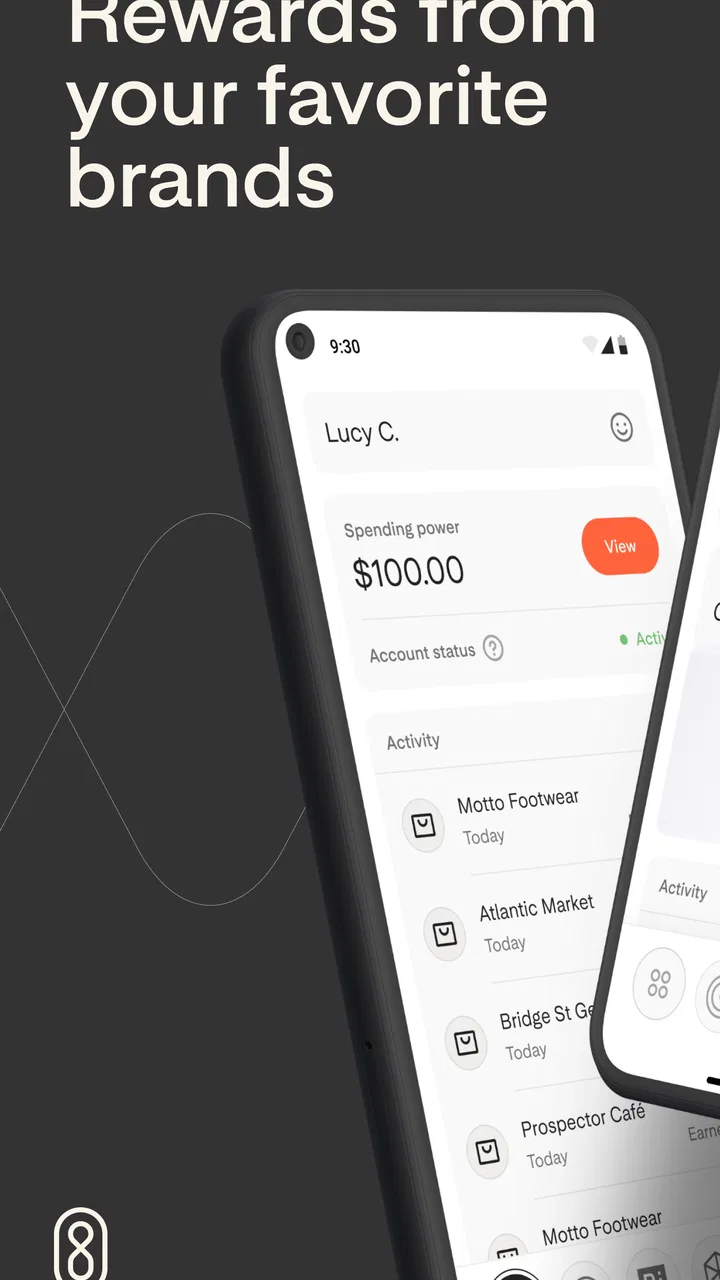
I approached Imprint App as a finance tool rather than just another card application. Its focus is simple on the surface—cards and rewards—but the real question is whether it makes everyday spending easier to understand and worthwhile to manage. After using it, my view is that it can be a useful option for people who want their card activity and reward experience in one place, provided they are comfortable checking details carefully during setup and after transactions.
The app is free, aimed at everyone, and developed by Imprint Payments, Inc. It has built a respectable audience, with a 4.6 average from around 7,100 ratings and more than 100,000 installs. Those figures suggest that the basic experience works for many people, but they do not remove the need to look closely at how the app fits your own spending habits. A finance app should be judged less by its download count than by whether it helps you make confident decisions without adding unnecessary confusion.
Getting past the points where users commonly get stuck
The first friction usually appears before the app becomes useful. An app connected to cards and rewards naturally requires careful attention to account details, identity information, and the card or payment flow you intend to use. I would not rush through the opening screens simply to reach the main interface. A small mistake in personal information or account selection can create much more work later than taking a few extra moments at the beginning.
You May Also Like

 Blood Strike: 2.5 Anniversary
Blood Strike’s Loadouts Turn Every Drop Into a Tactical Gamble
A close look at Blood Strike’s custom loadouts: how fast access to signature weapons reshapes its battle royale rhythm, rewards preparation, and narrows the gap between fights.

 Pandora - Music & Podcasts
Pandora’s Music Is Easy to Start, but Harder to Recover
Pandora’s strength is its low-effort path from a seed to a station. Its weak spot is how much confidence it asks you to place in connection, setup, and quiet recovery.

 8 Ball Pool
 Is Built on Rivalries, Rematches, and Routine
A close look at the rivalries, rematches, shared routines, and unanswered safety questions that turn a quick pool match into a persistent mobile community.

 Samsung Music
’s Quiet Strength Is Playing What You Already Own
Its reach comes less from spectacle than from dependable access to a personal library. That simplicity is both the app’s strongest retention engine and its ceiling.

 AccuWeather: Weather Radar
AccuWeather Review: A Quick, Clear Forecast for Everyday Decisions
For everyday plans, the best forecast is the one you can understand quickly. AccuWeather makes rain timing, radar, and local conditions easy to act on, with a few trade-offs.

 Hill Climb Racing
Why Hill Climb Racing Still Turns Crashes Into One More Run
A tiny car, a bumpy hill and one more upgrade: Hill Climb Racing keeps resurfacing because its simple chaos makes every near-miss feel personal.
More From Our News Desk
View All News


My practical advice is to install the app from the official Android or iOS store, keep your device connected to a stable network, and have the relevant card or account information nearby. This is not about performing a complicated technical procedure; it is about avoiding interruptions while the app is trying to establish the account relationship. If a screen appears to stall, repeatedly tapping buttons is rarely the best response. Wait briefly, confirm the connection, and then try again once rather than creating duplicate actions.
Another possible sticking point is expectation. The short store description calls it “Imprint App,” while the broader summary points to cards and rewards. That means a new user may expect a full personal-finance dashboard, budgeting suite, or banking replacement and feel disappointed if the experience is more focused. I found it more useful to treat it as a card-and-rewards companion. That narrower mental model makes the interface easier to judge and prevents you from looking for tools it was not designed to replace.
Users can also get caught by assuming that every purchase will immediately look exactly as expected. Card activity may need time to move through its normal processing stages, and rewards may not always appear at the same moment as a transaction. When something looks incomplete, first distinguish between a genuinely failed action and an item that is still being processed. That simple check can prevent unnecessary account changes or repeated attempts.
Setup checks that save time later
I recommend reviewing the account details directly after setup, before relying on the app for an important purchase. Check that you are looking at the intended profile, that the card information is the one you meant to use, and that the displayed activity matches your first test interaction. This small verification step is especially helpful if you manage more than one card or if another person has access to the same device.
Keep the app updated as well. The current version is 3.30.4, and using an older build can make troubleshooting harder because a problem may already have been addressed in a later release. The minimum operating-system requirement is version 10, so an older device may be the real limitation rather than the app itself. Before blaming the service, check the device software, available storage, date and time settings, and whether other apps can connect normally.
Permissions deserve a calm review rather than an automatic approval. I prefer to allow only what makes sense for the task in front of me and then revisit the device settings if a function does not work. If a feature depends on a permission, the app will usually make that relationship clearer when you try to use it. This approach keeps setup deliberate without turning a routine finance app into a long technical project.
One useful habit is to take note of the exact wording of any warning message. “Unable to load,” “not available,” and “action failed” can point to different stages of a problem. A vague memory that “it did not work” is difficult to act on, while the precise message, time, and screen give you a much better starting point if you need support.
A safer everyday workflow for cards and rewards
My preferred workflow is to open the app before a planned purchase, confirm that the relevant card view is available, and then return afterward to check the transaction status. I would not use the app as the only record of a major payment until I had seen how quickly and clearly my own activity appeared. For normal spending, this takes little effort and gives you a useful sense of the app’s timing.
Rewards are easier to manage when you treat them as a separate part of the purchase review. First confirm the transaction itself; then look for the reward information. If the payment is present but the reward is not, that does not automatically mean the purchase failed. Give the transaction time to settle, and avoid making the same purchase again merely because the reward display has not caught up.
This is one of the less obvious trade-offs of a rewards-focused card app: the attractive part of the experience can make users watch the reward result more closely than the underlying payment. I think the order should be reversed. Confirm the amount, merchant, and status first. Only then evaluate whether the reward was applied as expected. That habit is more useful than checking the rewards screen repeatedly.
For an everyday example, imagine using the card for a grocery trip. Before paying, I would open the app to make sure the account is accessible. Afterward, I would check the activity once, compare the amount with the receipt, and leave a pending item alone unless there is a clear error. If the reward display is delayed, I would wait rather than canceling anything or attempting another payment. This workflow reduces duplicate actions and keeps the app in its proper role: a way to monitor the card experience, not a substitute for the receipt.
Another practical tip is to keep receipts for purchases that matter. The app can show your card activity, but a receipt gives you an independent reference for the merchant, amount, and purchase time. If the app later displays an unfamiliar description or a delayed entry, you can compare it with something concrete instead of relying on memory.
Recovering when a transaction or screen looks wrong
When the app appears stuck, I start with the least disruptive checks. I confirm the internet connection, close and reopen the app, and see whether the issue affects one screen or the whole experience. If other apps are also failing to connect, the problem is probably broader than Imprint. If only one item is affected, I avoid changing account details immediately and give the transaction or page a little time.
For a missing or delayed transaction, I would compare three things: the payment receipt, the card or account activity outside the app if available, and the status shown inside Imprint. That comparison helps separate a display delay from a payment problem. If the payment is absent everywhere, contact the relevant card or payment provider rather than assuming that reinstalling the app will solve it.
Reinstalling should be a later step, not the first one. It can clear local problems, but finance apps often require you to sign in or verify the account again afterward. Before taking that route, make sure you know the login details and can complete any normal verification steps. I would also avoid clearing data casually if I had not confirmed that I could access the account again.
If a reward appears incorrect, record the purchase details and wait for the transaction to settle before drawing a conclusion. Then review the app’s current information and use the available support route if the discrepancy remains. Keep the explanation factual: state what was purchased, when it occurred, what the card activity shows, and what the reward display shows. A clear timeline is more useful than repeated refreshes.
Updates can also repair a problem, but they can introduce a slightly different layout. After updating, I would spend a minute locating the card activity and reward areas again rather than assuming that every control is in exactly the same place. This is a minor inconvenience, yet it is preferable to continuing with an outdated build and treating a known compatibility issue as an account failure.
When the app is not the cause
It is easy to blame the app whenever a payment does not behave as expected, but the cause may be the merchant, the card network, the device, or the connection. A declined payment, for example, should not automatically be treated as a display bug. Check the payment method and the merchant’s response first. If the merchant did not complete the authorization, reopening the app cannot make that particular payment succeed.
Network quality is another common source of confusion. A weak connection can leave a screen looking incomplete even though an action has already been sent. That is why I avoid pressing a payment-related control several times. Confirm the result through the merchant or receipt before trying again. Duplicate attempts are a bigger practical risk than a short loading delay.
Device settings can matter too. An outdated operating system, aggressive battery restrictions, incorrect date and time, or limited storage can interfere with normal app behavior. Since the app requires OS 10 or later, older hardware may need an operating-system check before anything else. If the device cannot meet that requirement, choosing a supported phone is more sensible than repeatedly reinstalling the application.
There is also a personal-finance issue that no interface can solve: rewards do not automatically make a purchase good value. If you are carrying a balance, paying fees, or spending beyond your plan to earn rewards, the reward may not justify the cost. I would use Imprint to organize and review card activity, not as a reason to buy something I would not otherwise purchase.
Who will benefit most from this focused approach?
I think the app suits someone who wants a straightforward way to stay close to a card and its rewards without adopting a large budgeting system. It can be particularly helpful for a user who checks purchases regularly, keeps receipts for meaningful transactions, and is willing to give pending activity time to settle. The free price also makes it easy to try without committing to a subscription.
It is less suitable for someone looking for detailed household budgeting, investment tracking, broad account aggregation, or a complete replacement for a bank’s own tools. In those cases, a dedicated budgeting application or the financial institution’s primary app may be a better fit. I would also hesitate to recommend it to anyone who dislikes checking transaction details or expects every reward to update instantly.
The age rating of Everyone makes the app broadly accessible, but accessibility does not mean every financial situation is the same. A younger or inexperienced user may still need to learn basic card habits—checking receipts, recognizing pending activity, and reviewing unfamiliar transactions. The app can support those habits, but it cannot replace them.
Compared with a bank app, Imprint’s appeal is its tighter emphasis on the card-and-reward experience. A bank app may offer a wider view of balances, transfers, statements, and other accounts, while a general budgeting app may provide stronger spending categories and long-term planning. Imprint makes more sense when the card relationship is the center of your attention. If you want one place for every financial product, you may prefer a broader alternative and use this only if its card experience offers something you value.
My practical verdict after using it
Imprint App is a focused finance application with a clear everyday purpose: helping users interact with cards and keep an eye on rewards. I like that it is approachable, free to download, and not presented as a universal answer to every money-management problem. Its strongest quality is the convenience of keeping the card experience close at hand, especially for people who already have the habit of reviewing purchases.
The main friction is not necessarily a dramatic flaw in the interface. It is the normal uncertainty that comes with payment processing, delayed activity, account setup, and reward timing. Users who understand those stages will likely find the app calmer and more useful than users who expect instant confirmation for every action. The best results come from checking carefully, avoiding duplicate attempts, and separating a payment issue from a display issue.
With a 4.6 average and around 7,100 ratings, the app has earned encouraging feedback from its user base, while more than 100,000 installs show that it has reached a meaningful audience. I would still make the decision based on your needs rather than those figures. If you want a dedicated card-and-rewards companion and are comfortable with a little hands-on checking, it is worth trying. If your priority is comprehensive budgeting or a complete banking replacement, another financial tool will probably serve you better.
My final recommendation is straightforward: use it deliberately, test the basic card workflow with an ordinary purchase, keep your receipts, and give pending activity time to resolve. The app works best when it supports good payment habits instead of trying to replace them. That is a realistic role for Imprint Payments, Inc.’s product, and in that role I can see it becoming a useful part of a daily finance routine.
FAQs for Imprint App
01What is the main purpose of the Imprint App?
The Imprint App is designed to help users quickly absorb and retain information by presenting content in a visually engaging manner. It combines text, images, and interactive elements to make learning more efficient and enjoyable. Whether you're studying for exams or exploring new topics, Imprint aims to enhance your learning experience.
02Is the Imprint App available for both Android and iOS devices?
Yes, the Imprint App is available on both Android and iOS platforms. You can download it from the Google Play Store for Android devices or the Apple App Store for iOS devices. Ensure your device meets the minimum system requirements to run the app smoothly.
03Does the Imprint App offer offline access to content?
The Imprint App allows users to download content for offline access, making it convenient for learning on the go without an internet connection. However, you will need an internet connection initially to download your desired content and updates to ensure you have the latest materials.
04Are there any subscription fees or in-app purchases within the Imprint App?
The Imprint App offers a freemium model, providing basic features for free with optional in-app purchases and subscription plans. These paid options unlock premium content and advanced features, providing a more enriched learning experience. It’s ideal for users who want to dive deeper into specific subjects.
05How does the Imprint App enhance learning compared to traditional methods?
The Imprint App enhances learning by utilizing interactive and multimedia content to cater to various learning styles. It employs visual aids, quizzes, and interactive modules to reinforce learning, making it more engaging than traditional text-heavy methods. This approach helps improve retention and comprehension for users.
Pros
- Intuitive user interface for easy navigation.
- Comprehensive habit tracking features.
- Customizable reminders boost productivity.
- Seamless synchronization across devices.
- Insightful analytics for personal growth.
Cons
- Limited free version features.
- Occasional sync issues reported.
- Requires constant internet connection.
- No dark mode available.
- In-app ads can be distracting.

Imprint App
Gallery